Queen Creek's new-construction insulation specialists.
SprayFoamInsulationQueenCreek.com exists to do one thing exceptionally well: insulate Queen Creek homes correctly, at the point in construction when it matters most — while framing is still open, before drywall closes it all up.
Queen Creek has been one of Arizona's fastest-growing towns for years running, with thousands of new homes going up across master-planned communities like Ironwood Crossing, Encanterra, and Meridian. That growth is the reason we exist in this specific form: a huge share of local homes are mid-build at any given moment, and standard builder-grade batt insulation still leaves the envelope leakier than it needs to be in a genuine hot-dry Zone 2B desert climate.
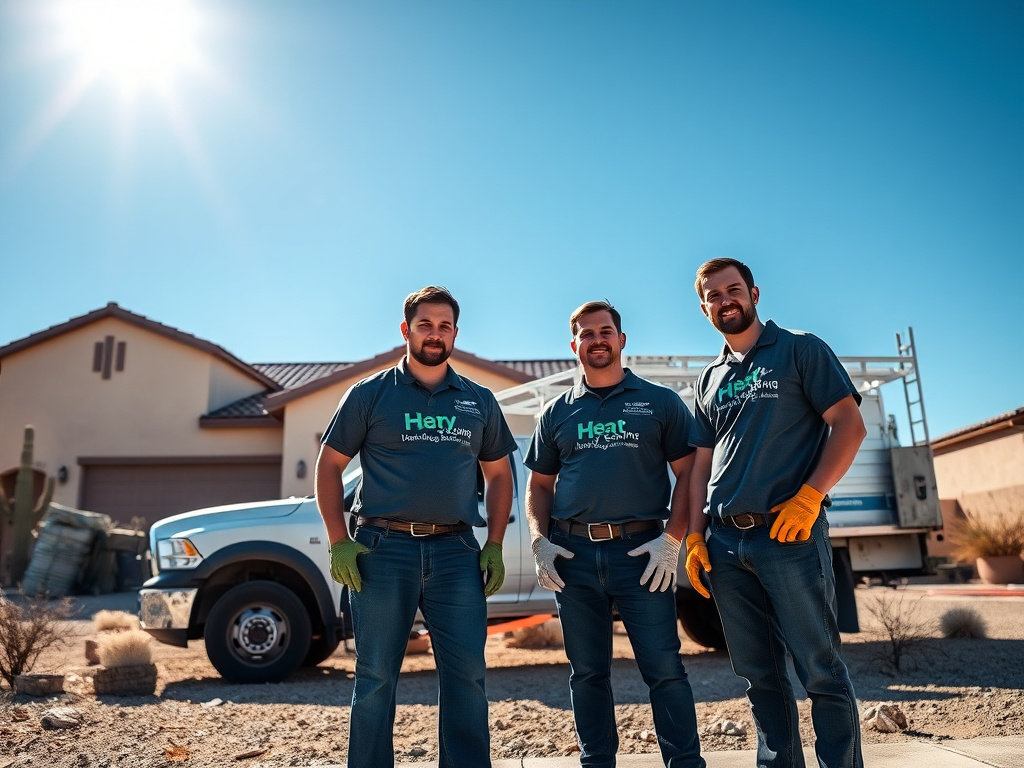
Built for a growing town
Queen Creek sits in IECC Climate Zone 2B — a hot-dry desert climate where the roof deck takes direct sun for most of the day and air conditioning typically makes up the largest single share of a home's summer electric bill. Insulating well here means understanding that reality: the goal is stopping heat gain and infiltration, not chasing a heating-season R-value borrowed from a cooler climate.
That's the gap we fill, and new construction is where we fill it best. We target ENERGY STAR and DOE guidance for hot-dry Zone 2 attics — generally R30 to R49 — sealing the envelope as we insulate, and coordinating directly with builders and general contractors so spray foam slots cleanly into the framing-to-drywall schedule. We also handle retrofit work on existing homes across the East Valley — attics, walls, and the garages and above-garage bonus rooms that quietly become the hottest part of the house.
We treat honesty as part of the job either way. We'll tell a builder plainly what a roofline conditioned-attic approach actually costs and protects, and we'll tell a homeowner whether their attic needs a full re-do or just a targeted fix. The goal is a home that's genuinely cooler and more efficient from day one — and a builder or homeowner who'd recommend us to the next one.
A whole-envelope approach
We don't sell foam off a truck — we solve envelope and comfort problems. On a new build, that means looking at the roofline, exterior walls, and garage as one connected system, coordinated with the electrical, plumbing, and HVAC rough-in that comes before us. A beautifully insulated roofline with unsealed duct boots still leaks conditioned air; getting the whole picture right is what separates a lasting result from a quick fix.
It also means we stand behind our work. We install to documented R-values, prep and air-seal before we insulate, and take the time to detail the parts other crews rush — top plates, duct boots, garage door framing. Those details are invisible once the drywall goes up, but they're exactly what determine whether the home is genuinely cooler a year later.
Whether you're a builder scheduling insulation across a subdivision, a homeowner building custom in Ironwood Crossing or Encanterra, or a family with a bonus room over the garage that's never been comfortable, we bring the same thing to the table: real expertise in insulating for a genuine hot-dry desert climate, straightforward advice, and work we're proud to put our name on.
What you can expect from us
Build-schedule-first
We plan around the framing timeline, not the other way around — spray foam has to happen after rough-in and before drywall, and we coordinate to hit that window.
Whole-envelope quality
Air sealing and insulation handled together and installed carefully, so your new home's R-value actually performs through a real Queen Creek summer.
Code-literate
We build to ENERGY STAR/DOE guidance for hot-dry IECC Zone 2B homes — not a generic statewide minimum copied from a cooler climate.
Straight talk
Honest assessments and clear quotes, for builders and homeowners alike. We recommend what the project needs — never an upsell it doesn't.
Get your free insulation quote
Tell us about your home, new build, or project and we'll put together a clear, no-pressure spray foam insulation quote — built for Queen Creek's growth and Zone 2B desert heat.