When Should Spray Foam Go In During a New Build in Queen Creek?

Queen Creek has been one of Arizona's fastest-growing towns for years running — more than 8,000 single-family building permits have been pulled across the area over the last five years, spread across master-planned communities like Ironwood Crossing, Encanterra, and Meridian. If you're building new here, or you're a builder managing a subdivision, understanding exactly where spray foam fits in the construction schedule is the difference between a smooth install and a scheduling headache.
Why timing matters more with spray foam than batt insulation
Batt or blown-in insulation is fairly forgiving on timing — it can go in fairly close to drywall with minimal coordination. Spray foam needs a bit more planning because it has to cure before drywall closes the cavity, and it needs the framing, electrical, plumbing, and HVAC rough-in to be fully complete and inspected first. Get the sequencing right and it adds essentially no time to a standard schedule. Get it wrong and you're looking at delays.
The correct sequence
- Framing complete (walls, roof deck, trusses or rafters)
- Rough electrical, plumbing, and HVAC installed
- Rough-in inspections passed
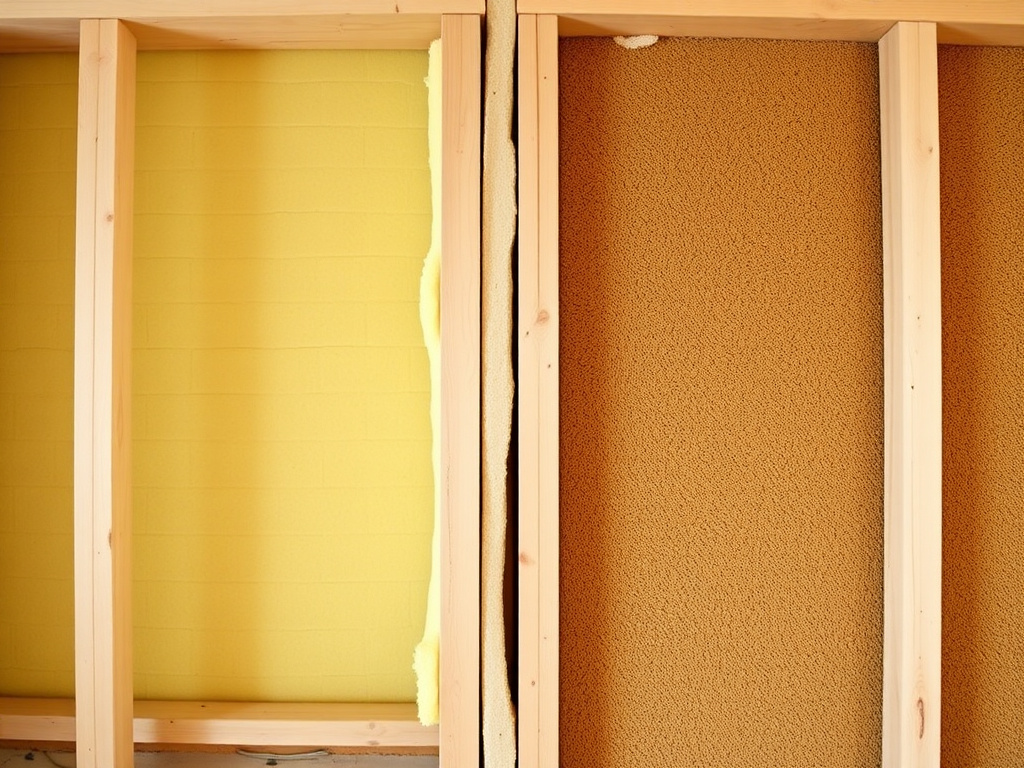
- Spray foam application (roofline, walls, garage)
- Cure time (varies by product — typically same-day to 24 hours before other trades re-enter)
- Insulation inspection
- Drywall
The one step that trips people up is inspections. Most jurisdictions require a rough-in inspection before insulation goes in, and some require a separate insulation inspection before drywall — spray foam has to be visible and accessible for that inspection, so it can't go in too early or get covered before it's signed off.
Coordinating with your builder or GC
If you're a homeowner requesting spray foam as an upgrade from your builder's standard package, the earlier you raise it, the better. Some production builders have a standard insulation subcontractor already locked into their schedule, and swapping to spray foam mid-build can be harder to coordinate than if it's specified from the start. If you're building custom or working with a smaller GC, we regularly coordinate directly with the framing and rough-in schedule and can usually slot in without adding delay, provided we're looped in during planning rather than after framing is already underway.
What we recommend for a Queen Creek new build
For most new construction in this market, we recommend closed-cell foam at the roofline to create a conditioned (unvented) attic — this protects any HVAC ductwork running through the attic from Queen Creek's extreme summer attic temperatures, which is a meaningful upgrade over leaving ductwork in a vented attic. Exterior walls and interior partitions are typically open-cell, which is more cost-effective for large coverage areas. Garage walls and ceiling usually get closed-cell for durability and heat performance.
Frequently asked questions
Yes, as long as rough electrical, plumbing, and HVAC are already roughed in and inspected, and drywall hasn't started. This is actually the ideal window regardless of when in the process you decide to add it.
When coordinated properly, no — it replaces the batt or blown-in insulation step at the same point in the sequence. The only schedule risk is if it's requested late and has to be worked into an already-locked builder timeline.
Ready for a free quote?
Tell us about your home and we'll build a clear, no-pressure quote.