Open-Cell vs. Closed-Cell Spray Foam: Which Is Right for Your Queen Creek Home?
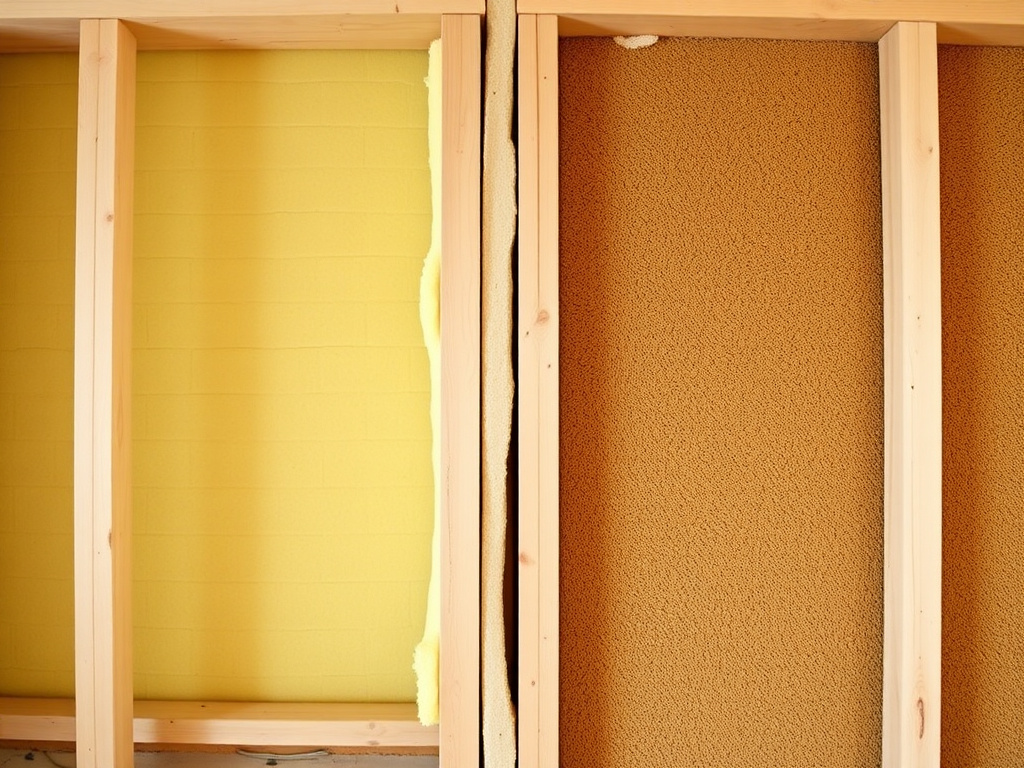
"Which spray foam do I need?" is one of the first questions we get on almost every project — new build or retrofit. The honest answer is that open-cell and closed-cell aren't a better-vs-worse choice — they're built for different jobs, and most whole-envelope projects in Queen Creek use both.
The core differences
- R-value per inch: open-cell delivers roughly R-3.5 to R-4; closed-cell delivers roughly R-6 to R-7.
- Density: open-cell is soft and spongy; closed-cell is rigid and adds structural strength to the assembly it's sprayed into.
- Moisture: closed-cell acts as a vapor retarder; open-cell is vapor-permeable, which matters less in Queen Creek's low-humidity climate than it would in a humid one.
- Cost: open-cell costs less per board foot; closed-cell costs more but delivers more R-value in less depth.
- Sound dampening: open-cell's structure absorbs sound noticeably better than closed-cell.
Where closed-cell makes sense on a new build
Rooflines with a conditioned (unvented) attic design, garages facing the most extreme heat exposure in the house, and any exterior-exposed assembly where added rigidity and moisture control matter are the strongest cases for closed-cell. It's our default recommendation for new-construction rooflines specifically, since it doubles as insulation and a durable air barrier in a single application.
Where open-cell makes sense
Interior partition walls, vented attic floors with adequate depth, and any room where sound dampening matters — a media room, a home office next to a garage — are strong fits for open-cell. Queen Creek's arid climate also plays to open-cell's strengths: the moisture concerns that push some markets toward closed-cell everywhere simply aren't as pressing here for interior, protected applications.
When a project uses both
It's common — and typically our default recommendation — for a new-construction or whole-home project to use closed-cell in high-exposure areas like the roofline and garage, and open-cell for interior walls and attic-floor coverage elsewhere. That combination gets the performance where it matters most without paying closed-cell pricing on every square foot.
Frequently asked questions
Not necessarily. For a standard interior wall with adequate depth and no moisture exposure, open-cell performs comparably to closed-cell in real-world terms, for less money. Closed-cell's advantages — higher R-value per inch, rigidity, vapor resistance — matter most in specific applications like rooflines and garages, not universally.
Yes, and it's the norm rather than the exception. A typical whole-envelope approach uses closed-cell at the roofline and garage, and open-cell for interior walls and any vented attic-floor coverage — giving you the right performance in each area without paying a closed-cell premium everywhere.
Ready for a free quote?
Tell us about your home and we'll build a clear, no-pressure quote.